 |
LAMP COMPARISIONS
• Compact fluorescent lights (CFLs) are a major hazard to dispose of especially when they break. They contain mercury
and phosphor –in quantities sufficient to contaminate 30,000 litres of drinking water to below the EU recommended
safety level
• Halogen lamps waste 90% of the energy that they consume, by turning it into heat not light
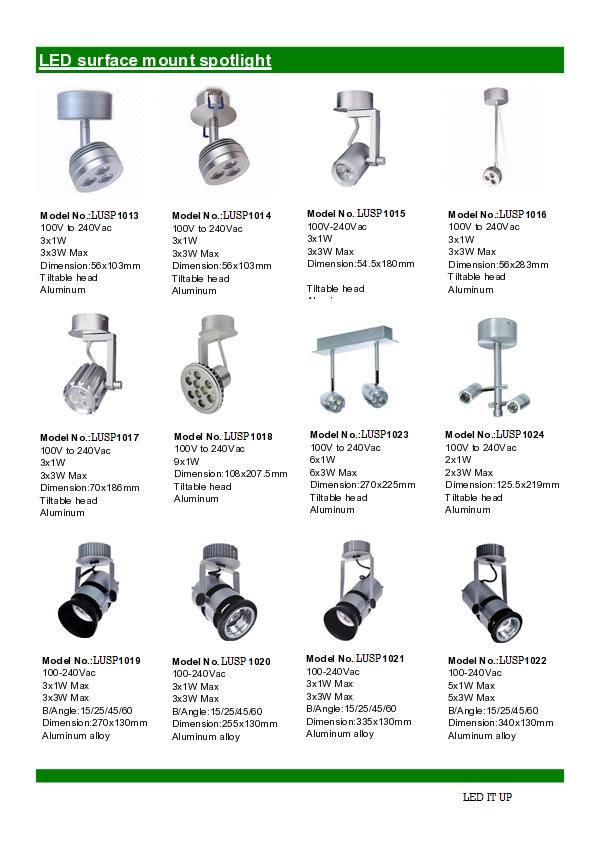
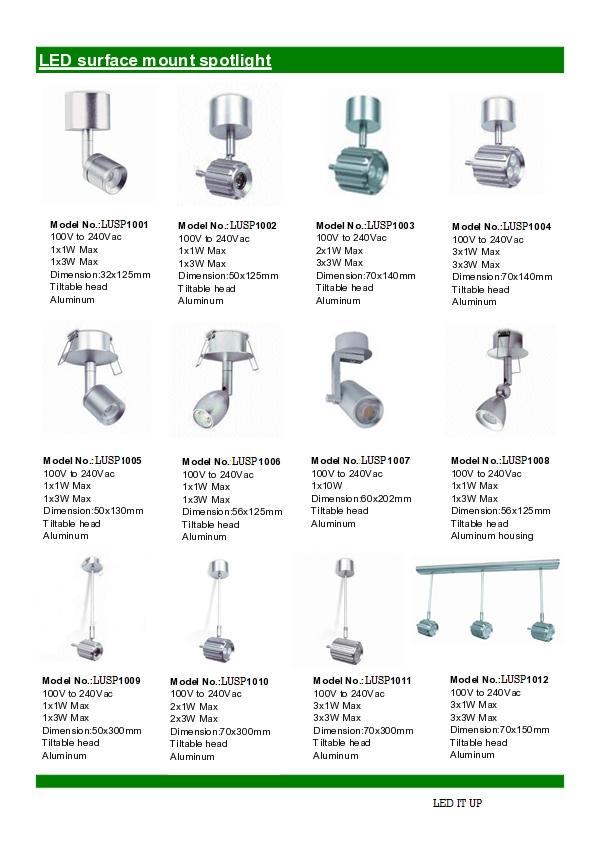
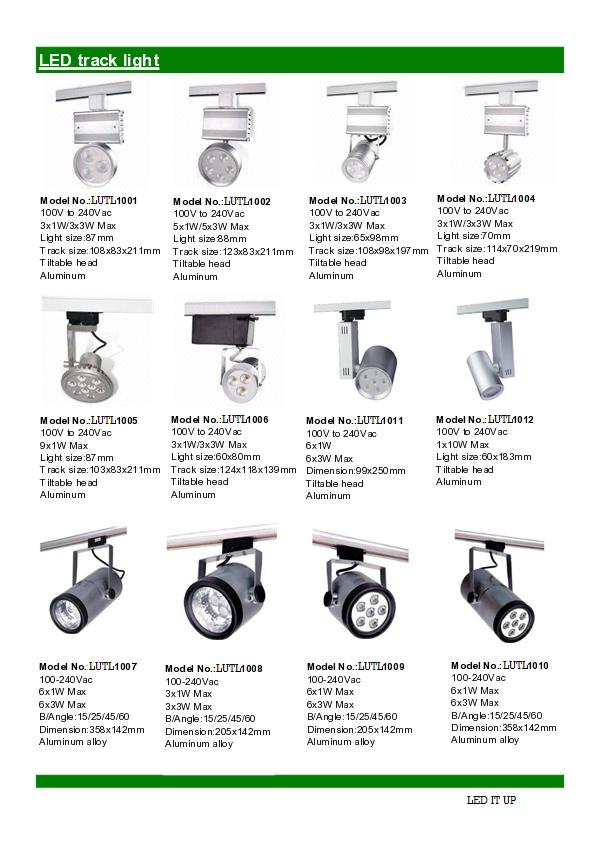
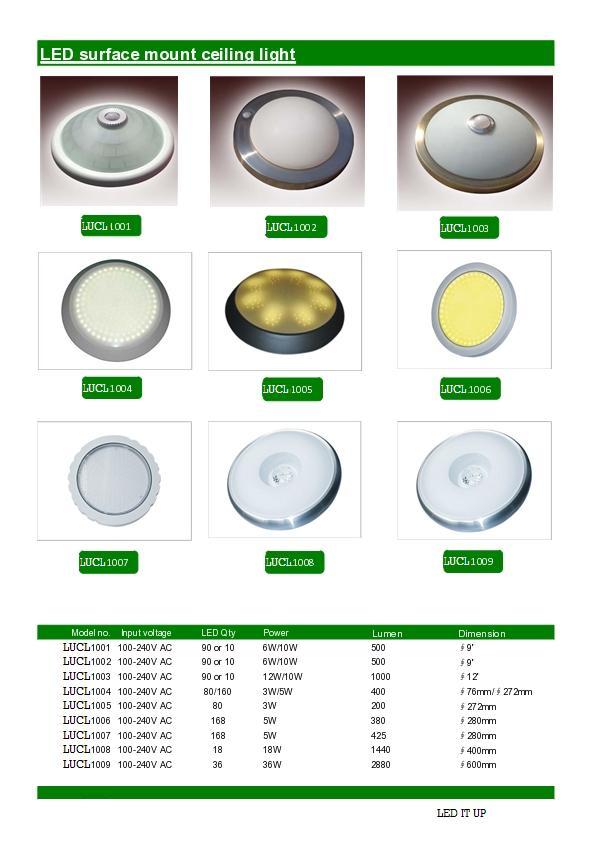
• Here is a table which briefly sets out the differences between halogens, CFLs and LEDs
| Lamp Equivalent Chart | |||
| Lamp Equivalents | Halogens | CFLs | LEDs |
| Life Expectancy | 2,000 to 5,000 Hrs | 8,000 to 15,000 Hrs | 30,000 to 50,000 Hrs |
| Kilowatt/hrs pa x 1 Lamp (h per year = 8760) |
306.6 kWh | 96.4 kWh | 32.4 kWh |
| Health Effects | UV rays, IR effects, SAD Syndrome |
UV rays, IR effects | No UV, No IR |
| Specialist Disposal (WEEE) |
Non domestic only (to Landfill) |
Yes (Compliance with WEEE Directive – Specialist Disposal) |
Non domestic only (recyclable) |
| Colour Rendition | Restricted colour options or Filters Required |
Restricted colour options or Filters Required |
Wide range of colours |
| Dimmability | Yes | Restricted Possibility | Yes |
| Robustness | Sensitive, Breakable | Sensitive, Breakable | Robust, Solid State |
| Start-up Time | Almost immediate | Delayed | Immediate |
| Cost of Ownership | High | Low | Lowest |
| Recyclability | Landfill | Specialist Disposal | Recyclable |
| Contaminants | Resonably Safe | Mercury | None = Safe |
| Light Efficiency | 10-30 lumens / watt | 40-60 lumens / watt | 60-80 lumens / watt |
| Energy Efficiency | 10% | 40% | 90% |
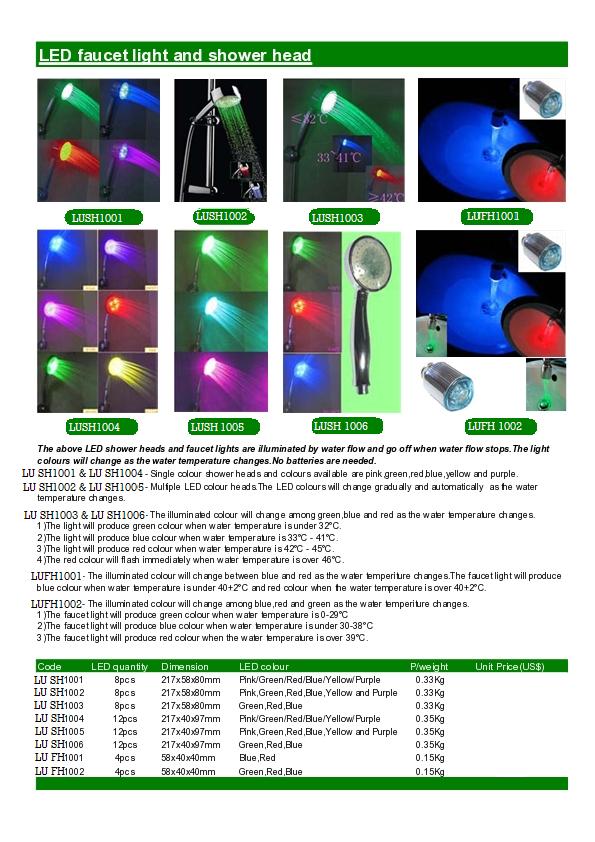
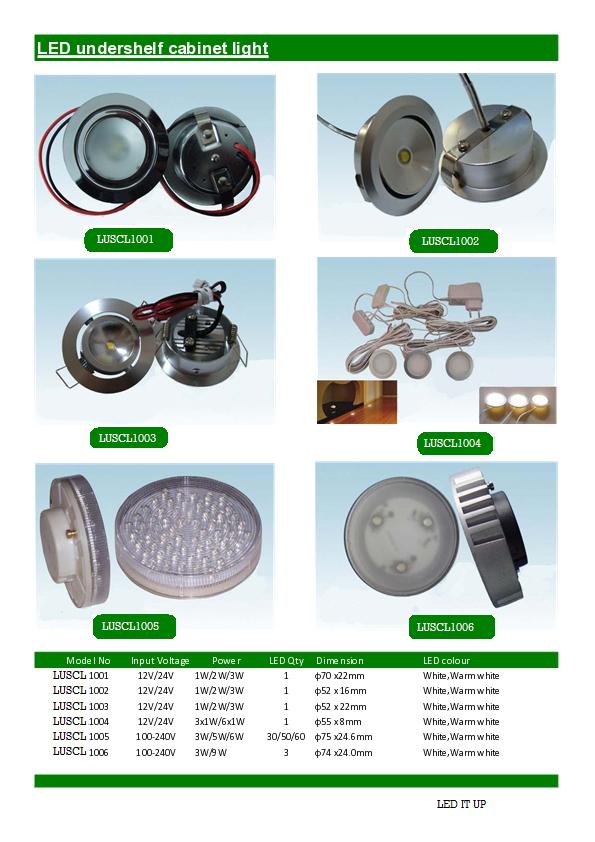
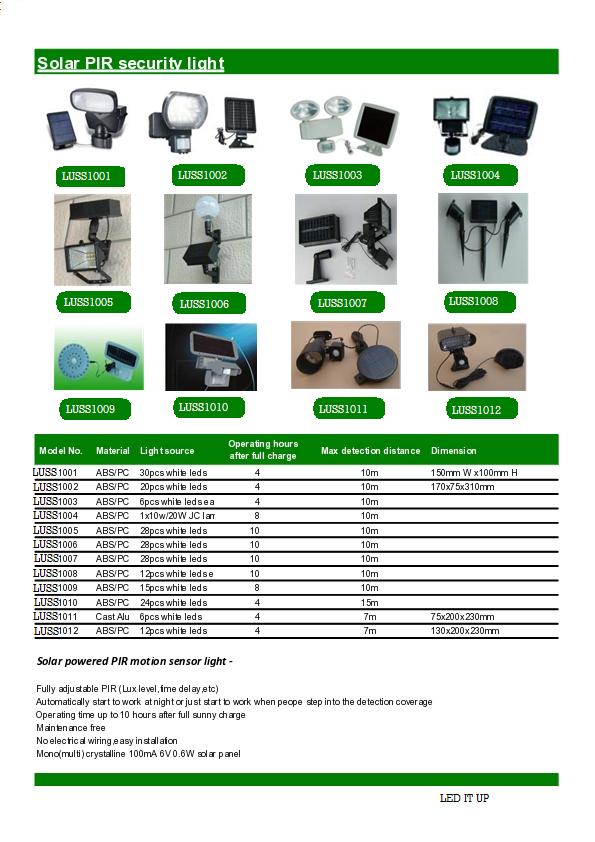
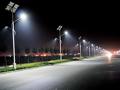
STREET , PARK , LANEWAY , CARPARK
LED LIGHTING
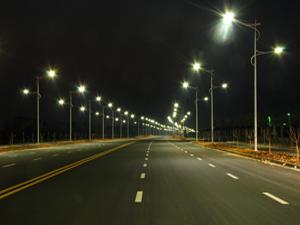
Council manages more than 90,000 street lights across Brisbane,AUSTRALIA
WITH THE INTRODUCTION OF LED STREET LIGHTING , COUNCILS MAINTAINCE / BILLS WOULD BE MORE THAN HALVED ,AND THE DIFFERENCE IN POWER CONSUMPTION FROM THESE STREET LIGHTS WOULD SAVE MILLIONS OF DOLLARS IN POWER BILS , NOT TO MENTION THE MASSIVE DROP IN GREEN HOUSE EMISSIONS .
THERE IS AN LED EQUIVALENT FOR MOST, IF NOT ALL CURRENT STREET,PARK,BUS SHELTER,TUNNEL,OVER PASS,BRIDGE LIGHT ...
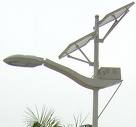
ALSO AVAILABLE IS A WIDE RANGE OF SOLAR STREET , PARK , AND DOMESTIC TYPE LIGHTS , JUST IMAGINE THE DROP IN POWER CONSUMPTION IF EVERY OUTDOOR LIGHT WAS REPLACED WITH THESE
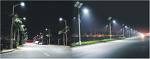
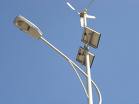
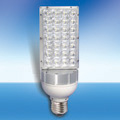
BELOW ARE SOME EXAMPLES OF JUST A FEW LED STREET AND PARK LIGHTS , INCLUDING THE MOST ENERGY EFFICIENT OF THEM ALL THE "SOLAR / WIND POWERED STREET & PARK LIGHTS "
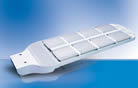

High Power LED Streetlight
LED consumption 224 watts
Lumens : 16,800lm
Colours: Pure white,warm white
I/P 85-264VAC
Weight: 18.5kg
IP65 enclosure
Approval : CE, RoHS
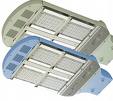 high power LED daily consumption = 2.58kWh at 168W |
|
Solar street lights have been available for quite a time now, having originally been designed for use in less developed or isolated areas, or perhaps places where the electricity supply has been disrupted by man-made or natural disasters. The technology guiding the use of solar energy has progressed significantly to enable projects to be feasible throughout the world. The situation now is that street lights powered by solar energy can be simply and rapidly installed, giving the potential of many years of trustworthy use, with a minimum of maintenance required. In these times of heightened environmental awareness, electric street lighting is rightly regarded as an enormous consumer of electricity, at a vast financial and environmental cost. However, because of the road safety and security benefits which result from a good street lighting system, authorities everywhere are keen to implement cost-effective and environmentally friendly lights. Solar street lights can deliver that much-desired outcome and offer an exceptional lighting program whilst, at the same time, producing considerable economic and environment SAVINGSwareness
|     |
LED Street Lights
LED street lights can save on maintenance as the LEDs last much longer than halogen or other light sources. LEDs are also more efficient and produce more Lumens per Watt than other lights. In addition our street lights come with lenses that focus the light into a rectangular pattern of equal distribution. (This is why LEDs reduce 'light pollution.') Less wasted light means more energy saved. LEDs produce light much closer to daylight for increased safety in a variety of situations.
Applications include: street lighting, parking lot, warehouse, commercial, and industrial lighting.